TRUSTWORTHY SATELLITE-DERIVED DATA
Interoperable satellite-derived data
Keep scrolling to discover

Please Rotate Your Device
for a better experience
NPL hosted the Introducing the principles of uncertainty analysis workshop — a 1.5 day training course that introduced the principles of uncertainty analysis, supported by a suite of open-source software tools designed to help participants apply these concepts in practice.
Kicking off with core fundamentals, participants were encouraged to complete a free online preparatory course.
The training included guided, hands-on exercises using example datasets, and participants had the opportunity to explore their own data with support from NPL experts.
The course was developed as part of the Metrology for Earth Observation (Met4EO) project, an ESA-funded initiative led by the National Physical Laboratory (NPL) that improved the reliability and interoperability of Earth Observation data through rigorous metrological methods. Met4EO delivered open-source tools, AI-supported sensor intercomparison techniques, practical training, and new frameworks for evaluating uncertainties in products such as land cover maps and radar-altimetry measurements. It also provided the CEOS Calibration Dashboard, enabling satellite operators to assess radiometric performance using international reference sites, supporting ESA’s drive toward high-quality, analysis-ready EO data.
Key concepts in uncertainty analysis – Pieter De Vis
QA4EO 5 step approach – Emma Woolliams
Error correlation – Sam Hunt
Parameterising error correlation and UNC standard – Sam Hunt
Breakout workshop: Uncertainty tree diagrams – Ariadna Gonzalez
Breakout workshop: Effects tables with Measurement Model Workbook – Supporting workbook for effects tables practical
CoMet tutorial: Uncertainty propagation methods with punpy – Pieter De Vis & Sam Hunt
CoMet tutorial: Uncertainty propagation for spectrometer example – Pieter De Vis & Sam Hunt
CoMet tutorial: Error correlation in datasets with obsarray and UNC – Pieter De Vis & Sam Hunt
Comparisons of FRM to satellite – Pieter De Vis
Summary of Comparison Workshop – Emma Woolliams
Tutorial: Satellite validation using RadCalNet and HYPERNETS – Pieter De Vis
A self‑paced course providing in‑depth background material, practical examples, and supporting resources that underpin concepts covered in the workshop. Completion will enable participants to engage more fully with the in-person training sessions, follow technical discussions with confidence, and arrive prepared with informed questions.
To complement the workshop, a half-day FRM workshop takes place on the afternoon of 20 May (also at NPL), focused on the organisation/analysis of comparison exercises.
Comparison with peers and or similar facilities are a key mechanism to evidence an achieved uncertainty from Cal/Val activities — and this workshop (via EO-related examples - will tillustrate and discuss comparisons and associated analysis/reporting processes.
For details and about how to preprare slides for dicussions, see: Comparison Workshop, a space to share how comparisons between satellite datasets and Fiducial Reference Measurements are carried out in practice.
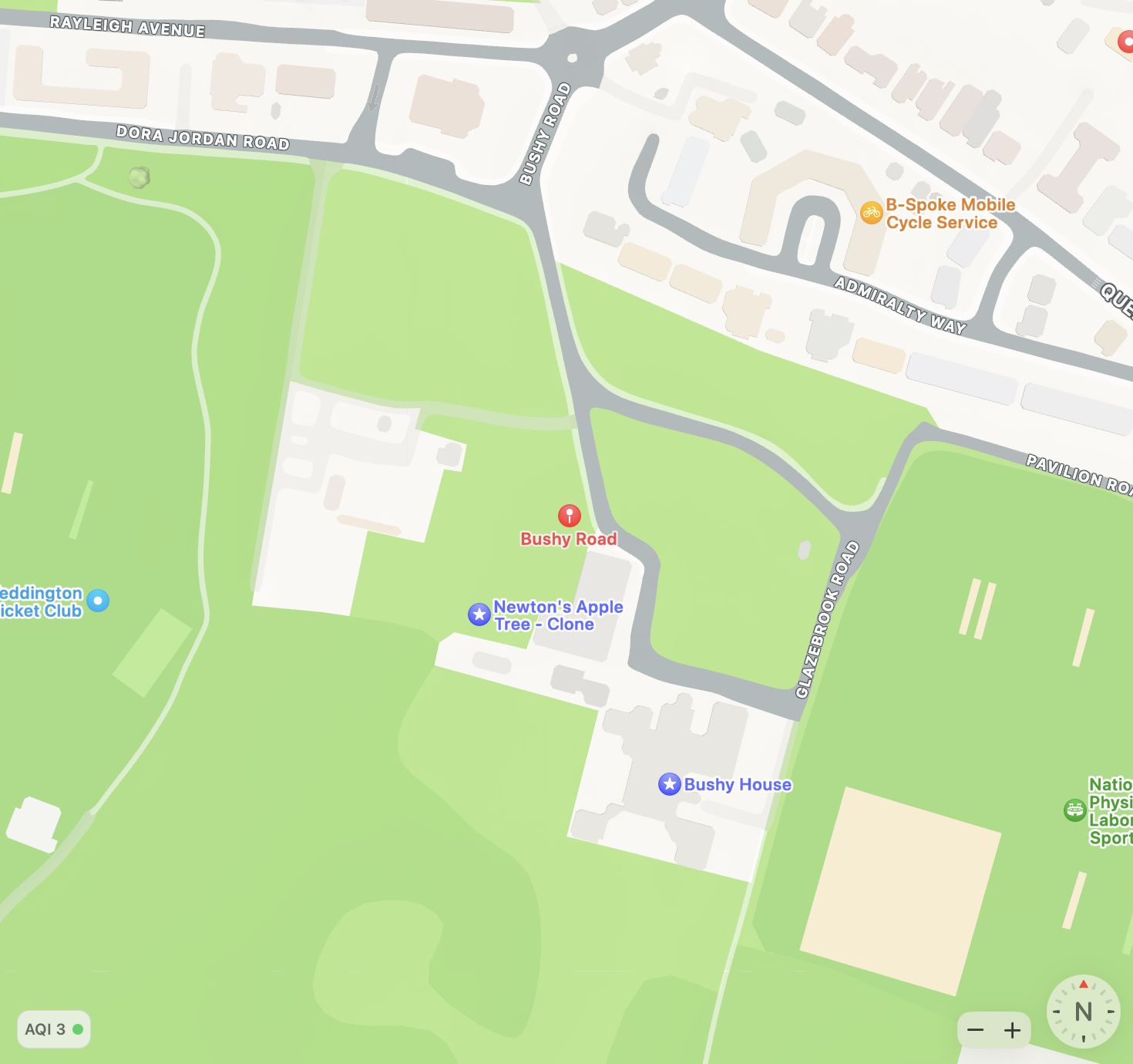
IQST, National Physical Laboratory, Bushey Road, Teddington, TW11 0EB, UK
| Day | Time | Session |
|---|---|---|
| Thu 21 | 08:30–09:00 | Registration and tea / coffee |
| Thu 21 | 09:00–10:30 | Presentations and Q&A • Welcome and context (Emma Woolliams) • Key concepts in uncertainty analysis (Pieter De Vis) • QA4EO 5 step approach (Emma Woolliams) • Error correlation (Sam Hunt) |
| Thu 21 | 10:30–11:00 | Break |
| Thu 21 | 11:00–11:30 | Practical measurement example: MetEOC spectrometer system (spectral reflectance vs Spectralon tile) |
| Thu 21 | 11:30–12:30 | Breakout workshop: Uncertainty tree diagrams – spectrometer example, plus peer comparison and Q&A |
| Thu 21 | 12:30–13:30 | Lunch |
| Thu 21 | 13:30–14:15 | Breakout workshop: Effects tables – spectrometer example with Measurement Model Workbook, peer comparison and Q&A |
| Thu 21 | 14:15–15:15 | CoMet tutorial: Uncertainty propagation methods with punpy (Pieter De Vis & Sam Hunt) |
| Thu 21 | 15:15–15:45 | Break |
| Thu 21 | 15:45–16:15 | CoMet tutorial: Uncertainty propagation for spectrometer example |
| Thu 21 | 16:15–16:45 | Parameterising error correlation and UNC standard (Sam Hunt) |
| Thu 21 | 16:45–17:30 | CoMet tutorial: Error correlation in datasets with obsarray and UNC |
| Thu 21 | 18:30 | Non-hosted dinner at Anglers Pub |
| Fri 22 | 09:00–09:45 | Presentations and Q&A • Comparisons of FRM to satellite (Pieter De Vis) • Summary of Comparison Workshop (Emma Woolliams) • MetEOR toolkit (Sam Hunt) |
| Fri 22 | 09:45–10:30 | Tutorial: Satellite validation using RadCalNet and HYPERNETS |
| Fri 22 | 10:30–11:00 | Break |
| Fri 22 | 11:00–12:00 | Discussion session, general Q&A, feedback |
| Fri 22 | 12:00 | Finish |
Lunch and refreshments will be provided for participants Wednesday and Thursday. On Thursday evening there will be a non-hosted dinner at the Anglers Pub. For the latter we require an advance payment. More details on selecting menus and the payment of these will be shared with the participants in near future.
For all NPL events we aim to accommodate specific needs and personal circumstances, but are reliant on individuals sharing this information with us. If you have any specific requirements or adjustments to support your attendance (whether in person or virtual), please do let us know by emailing events@npl.co.uk, so that we can discuss how we can best support you. Any information shared will be confidential and deleted after the event.